
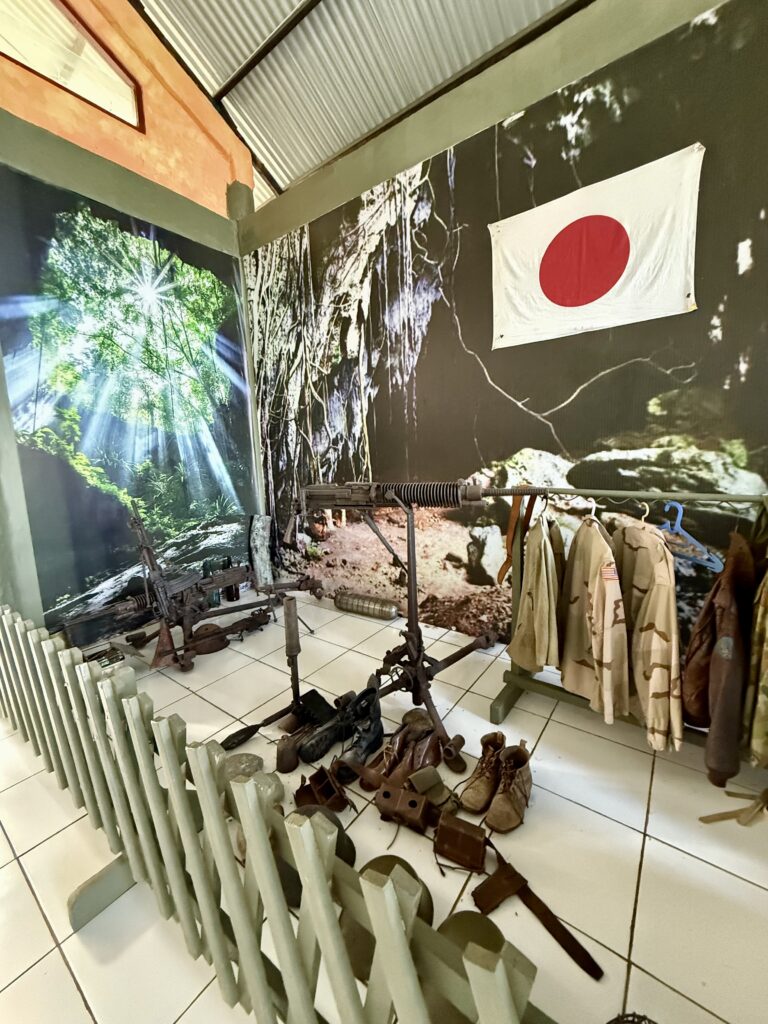
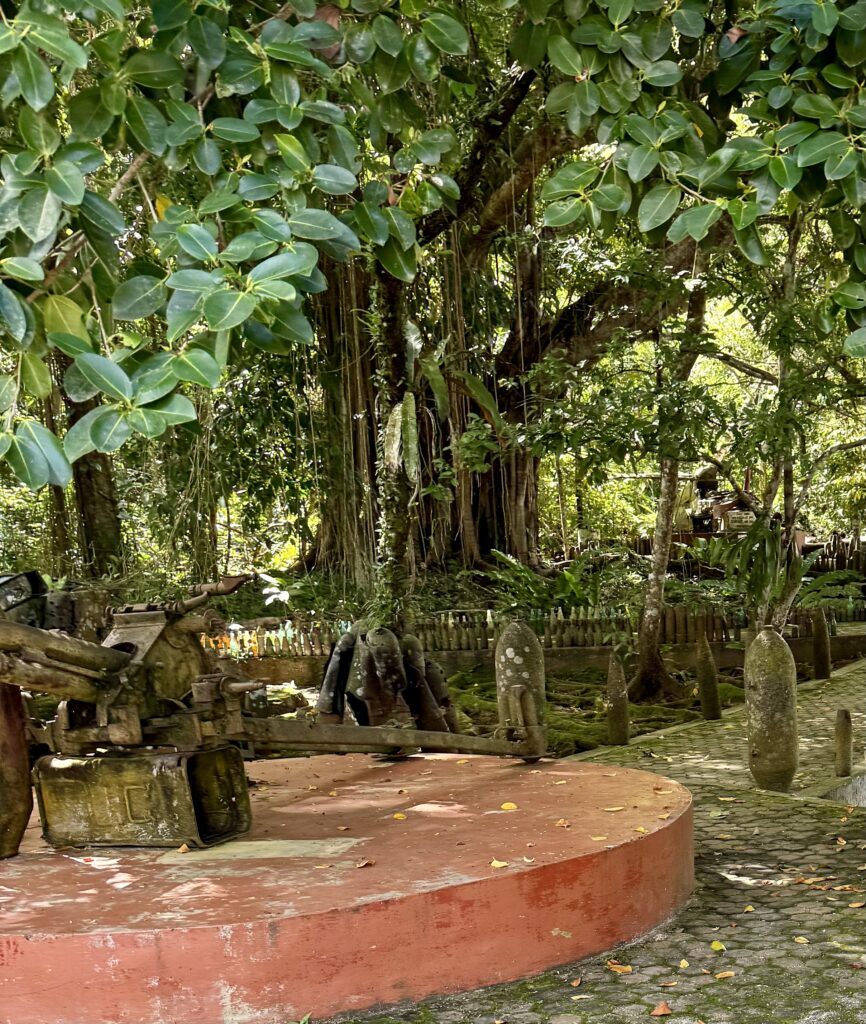
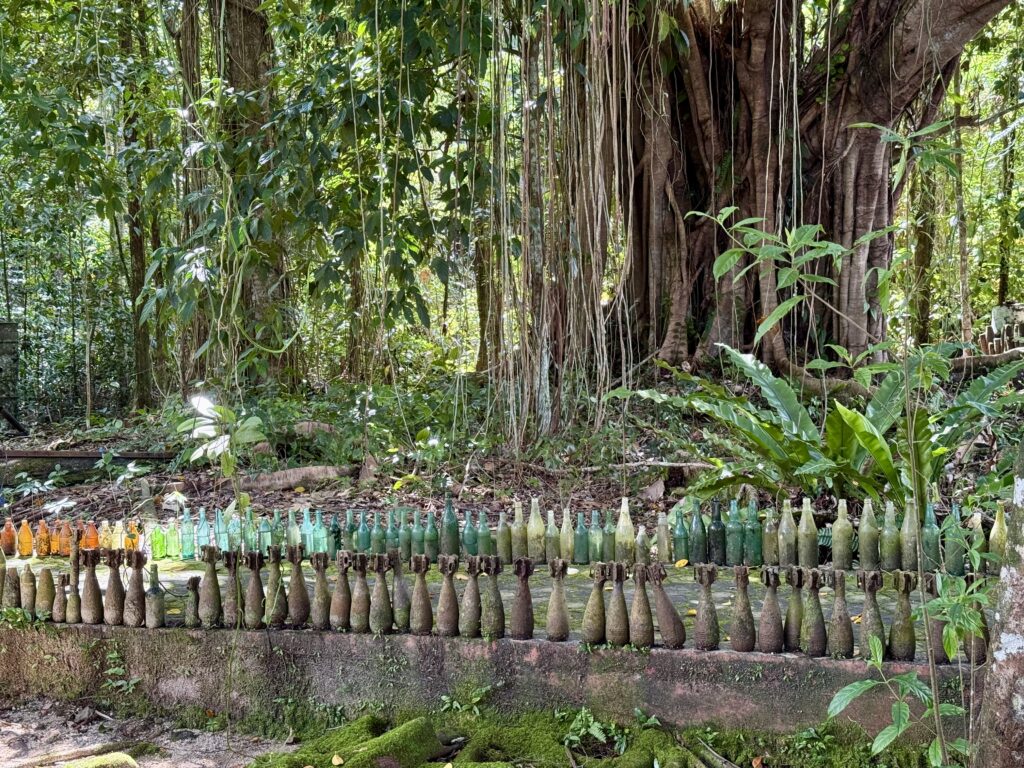
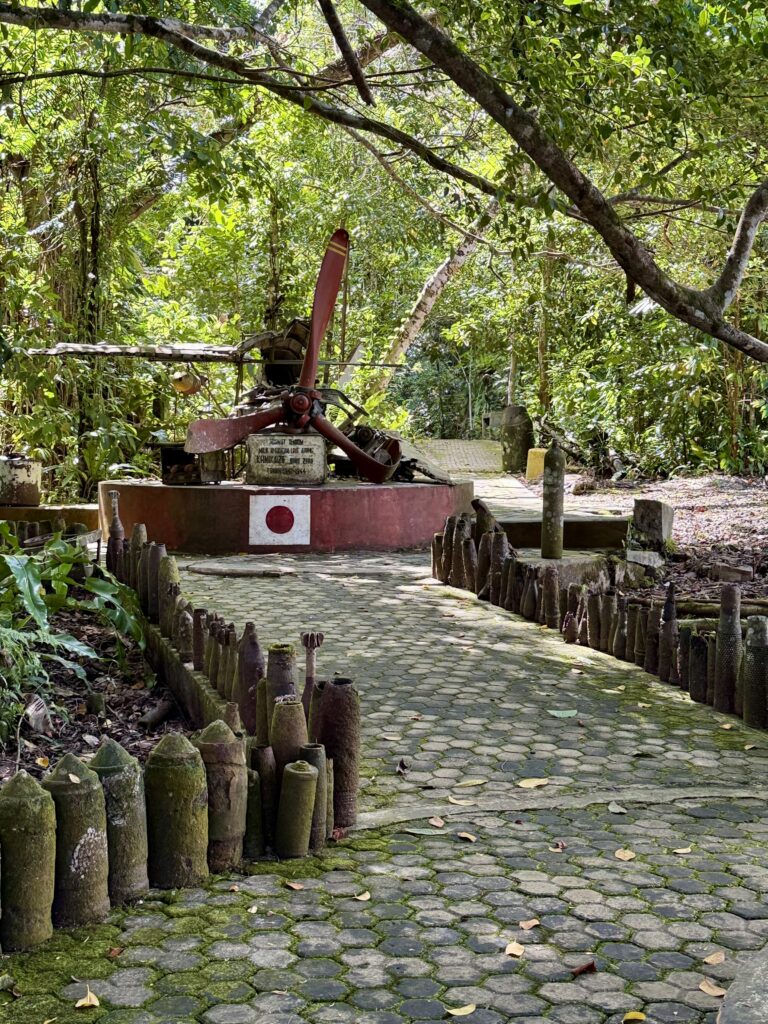
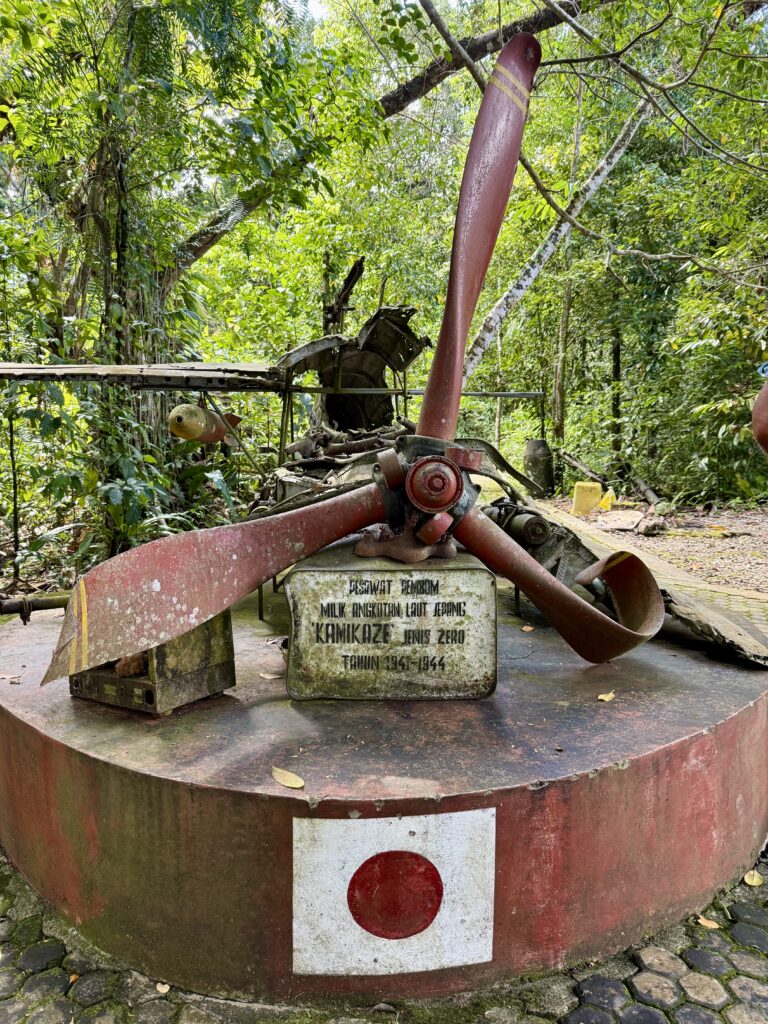
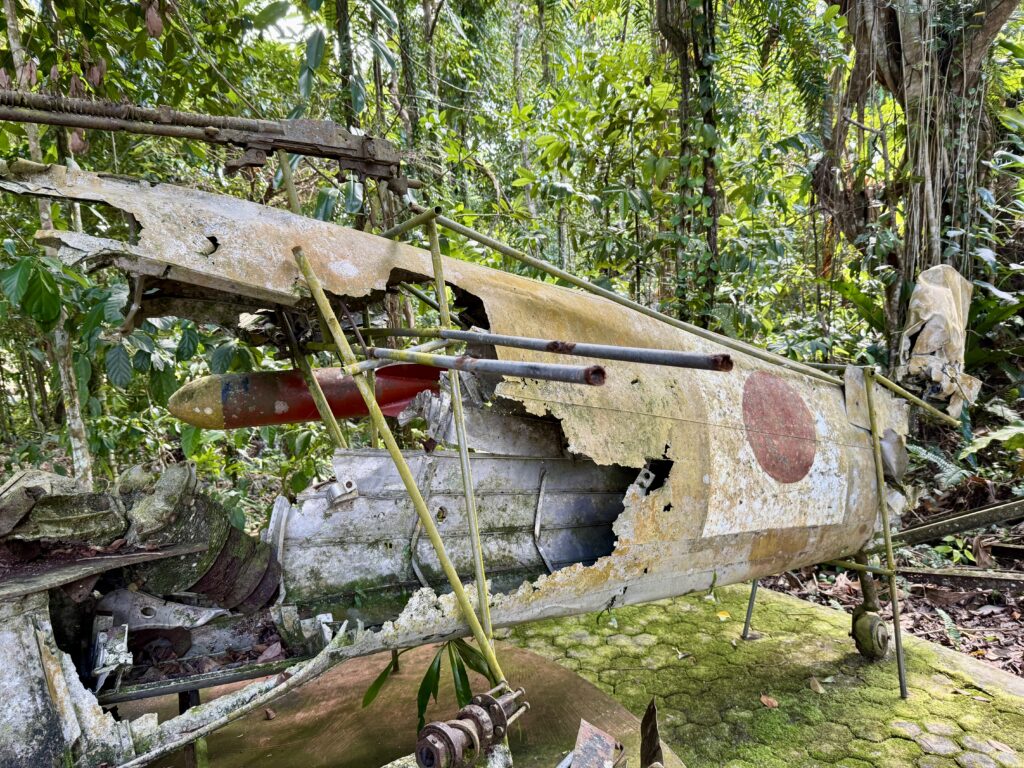
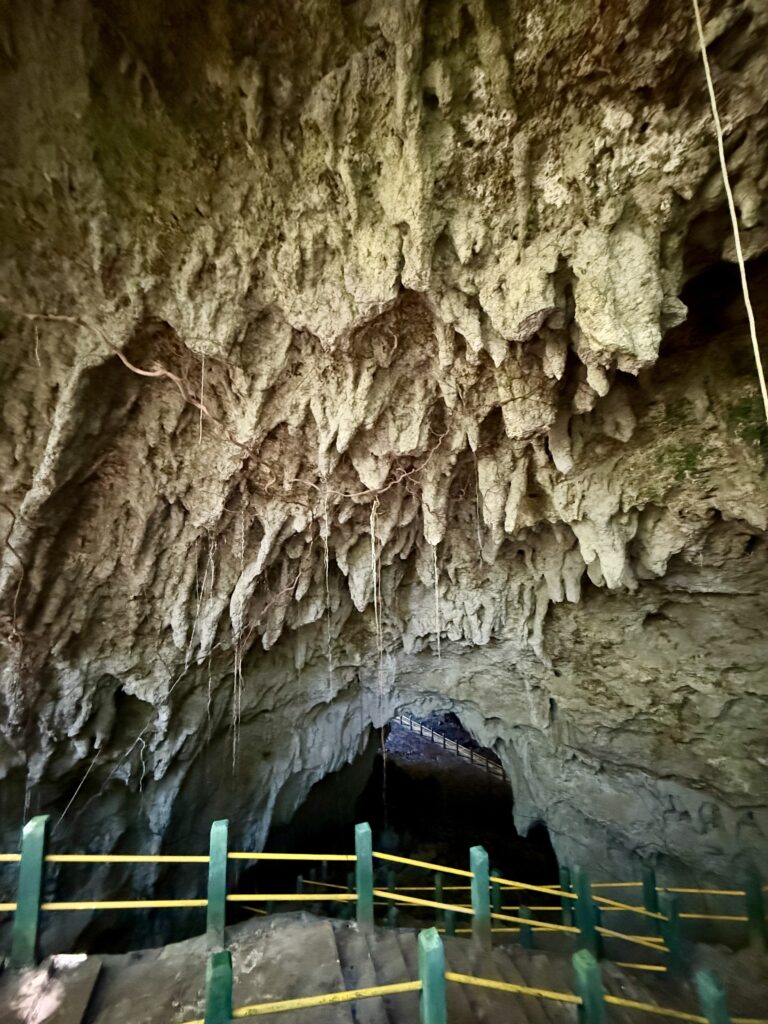
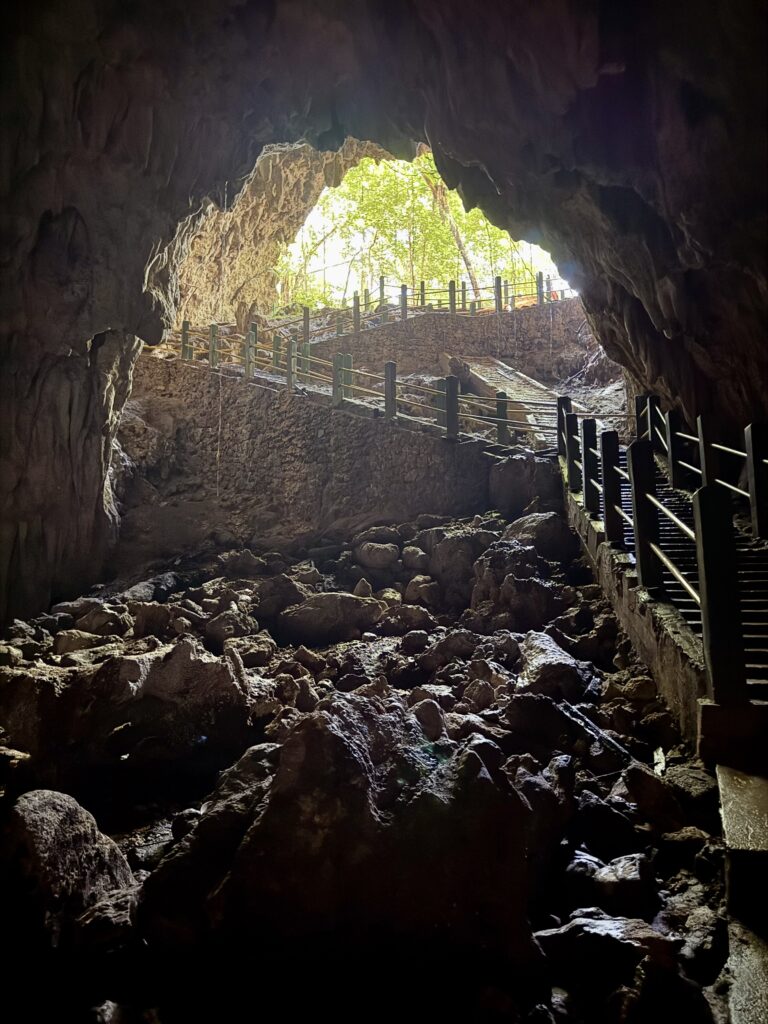
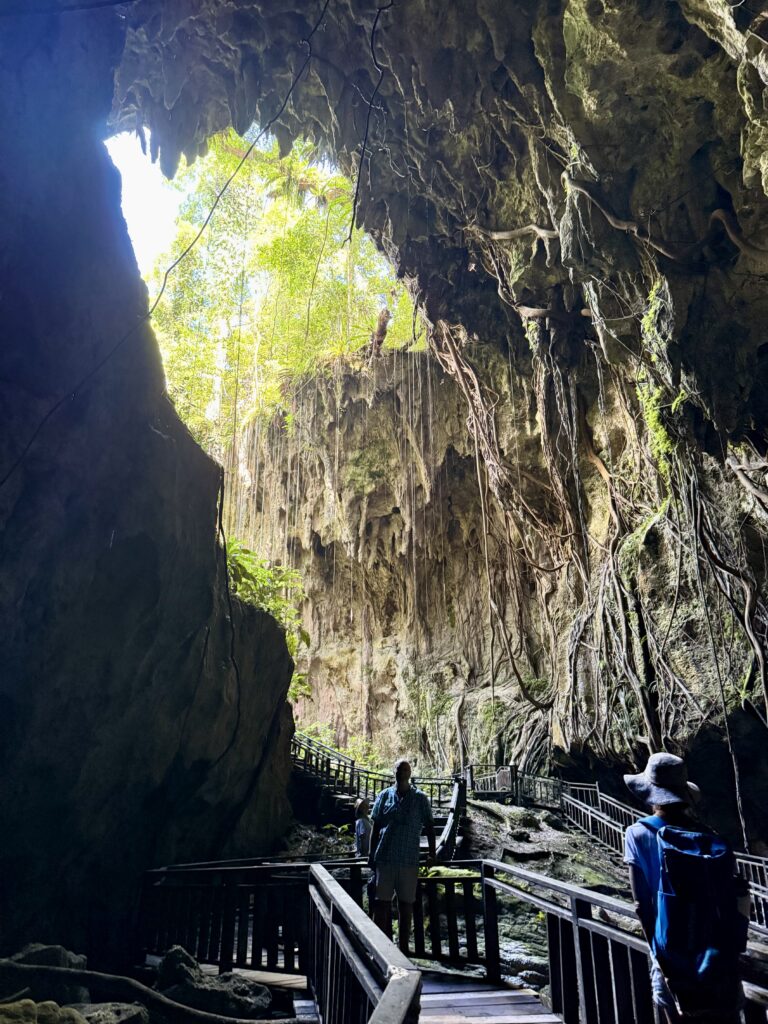
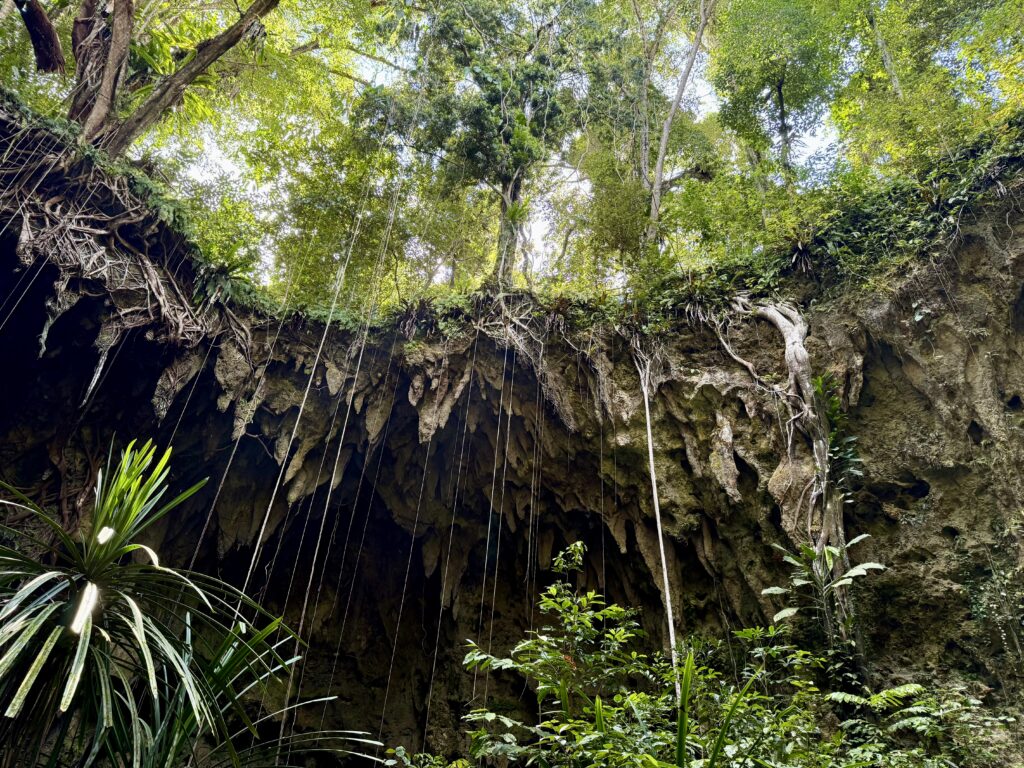
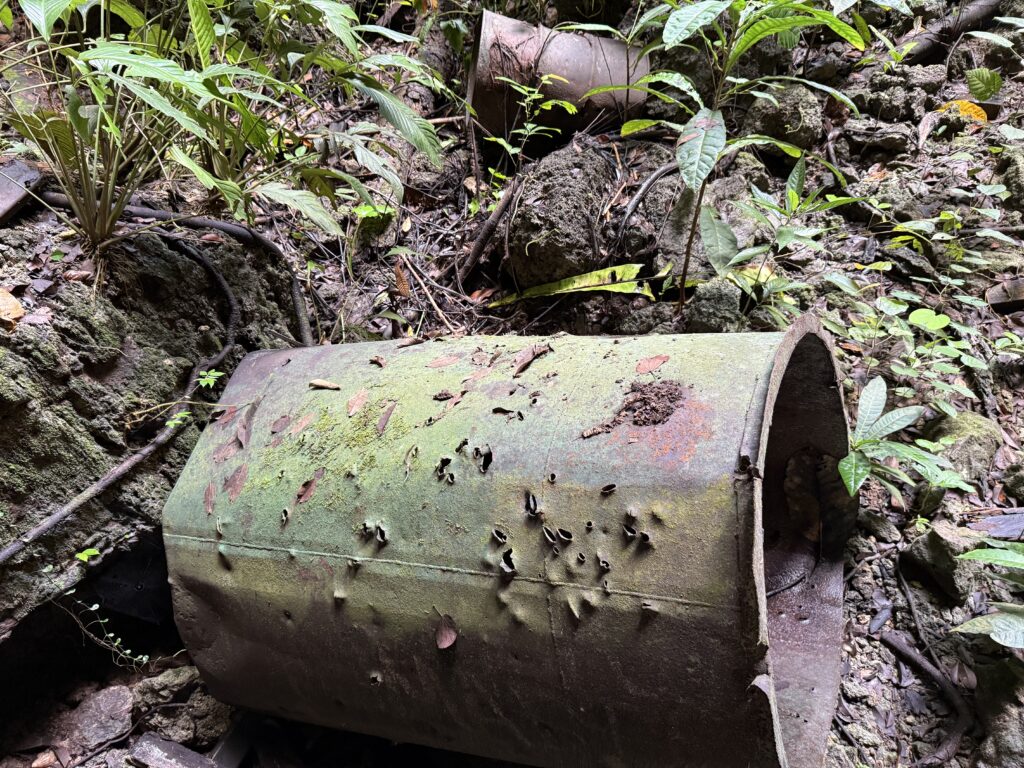
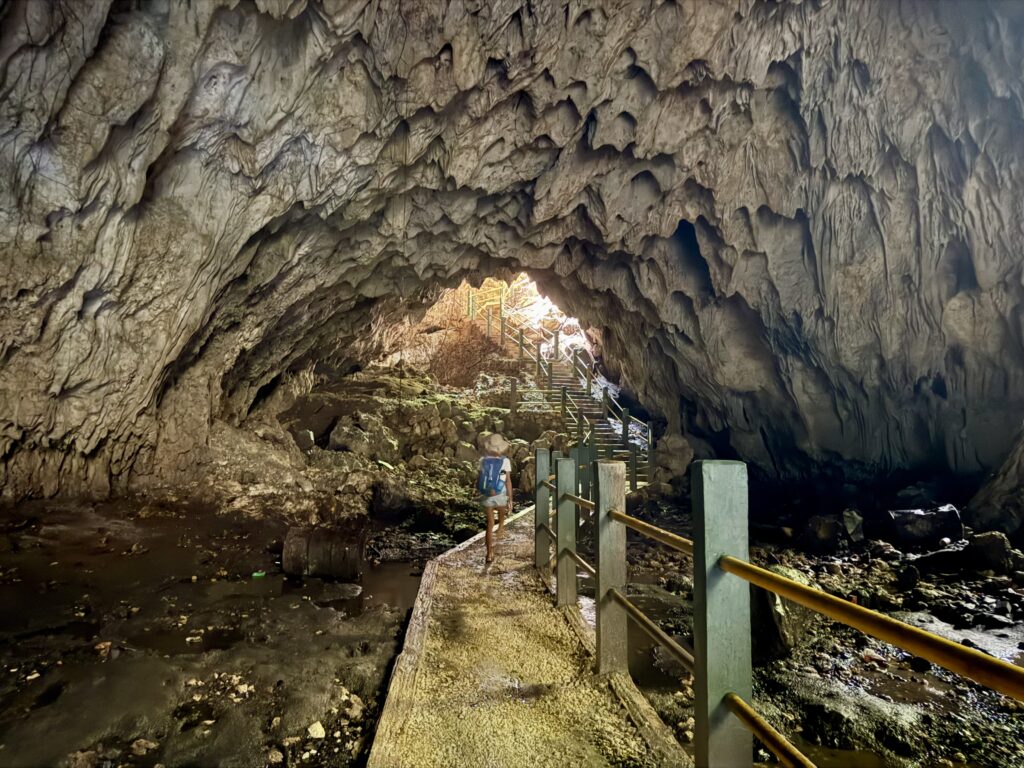
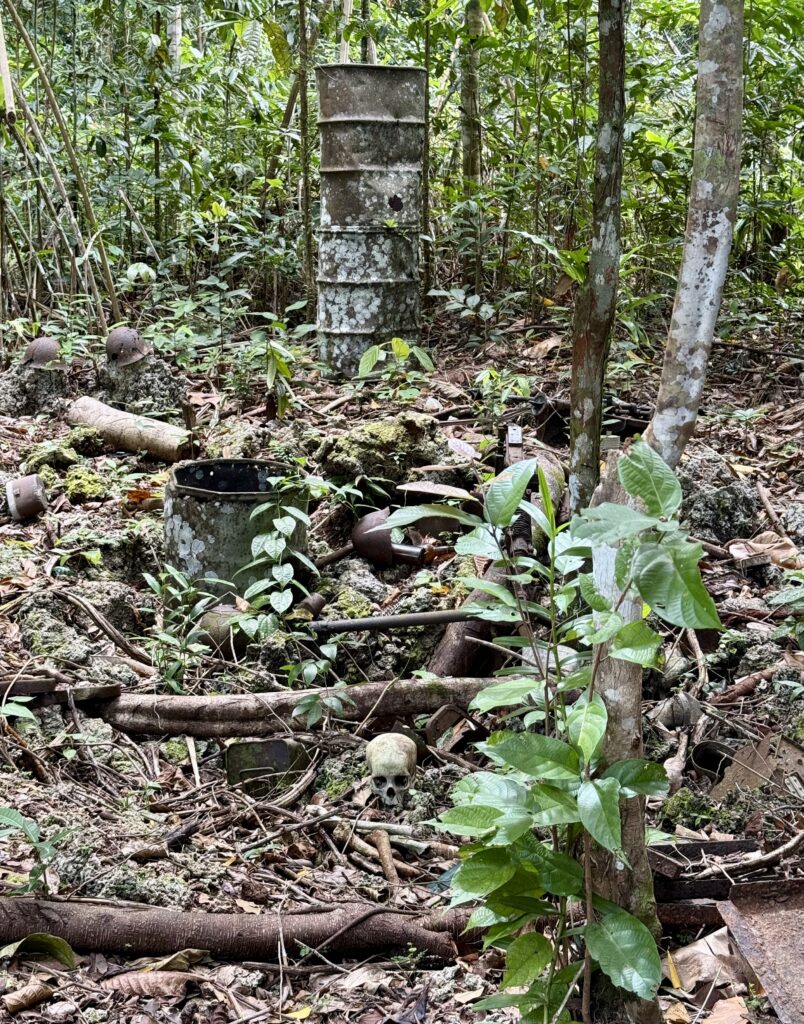
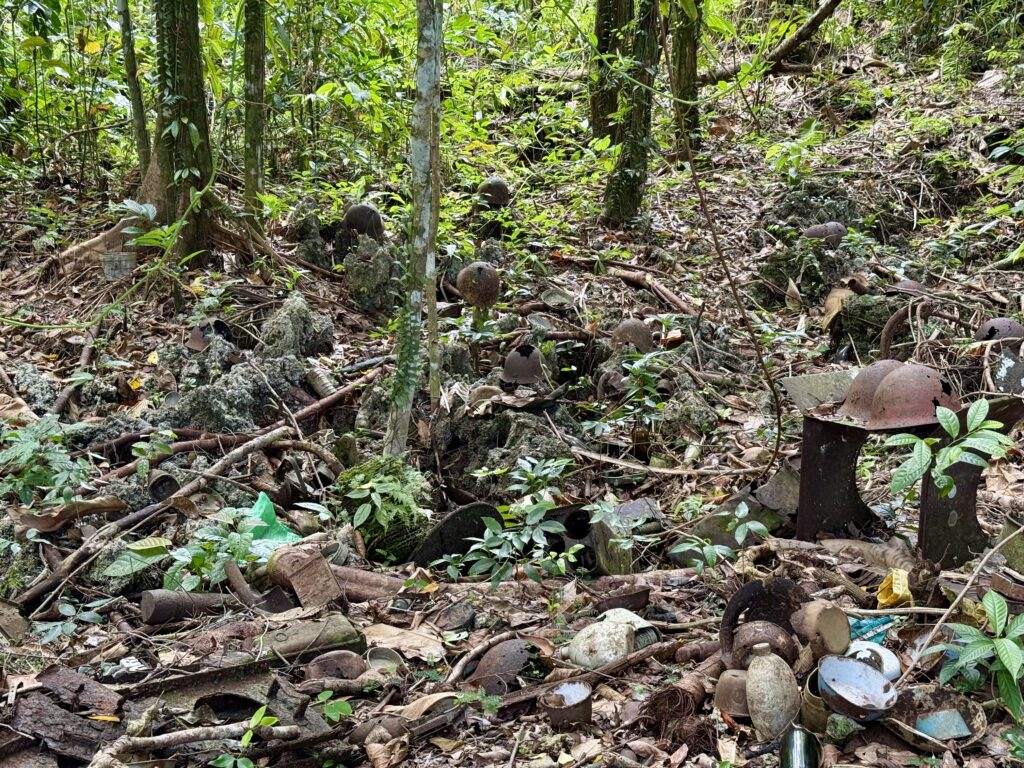
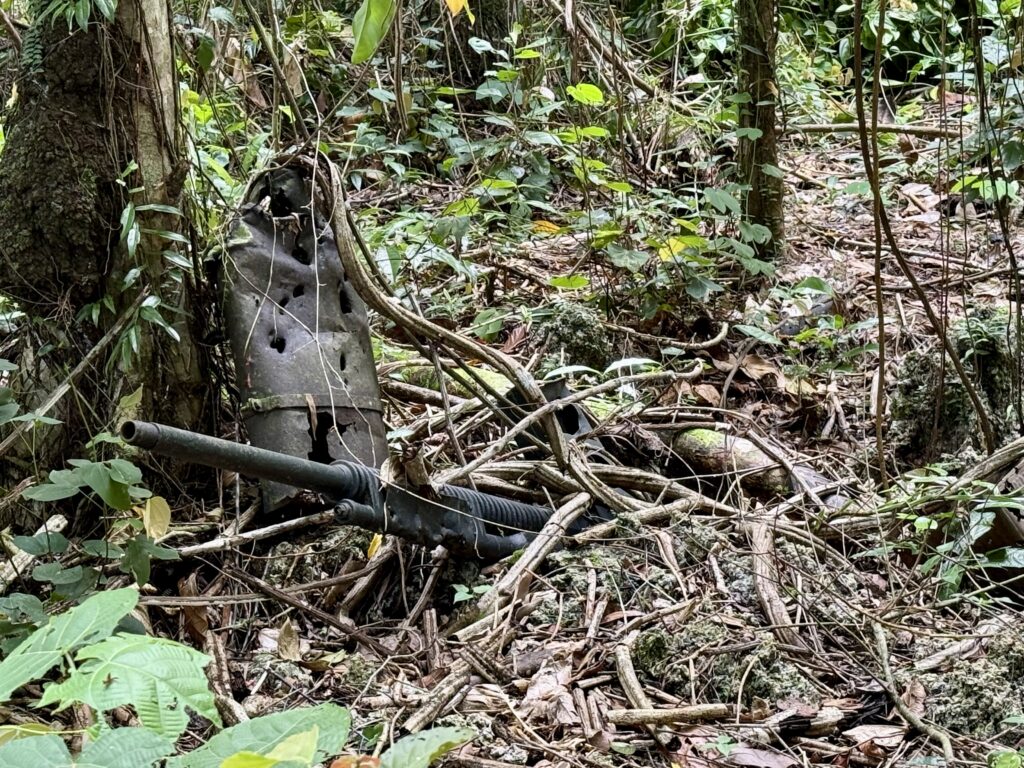
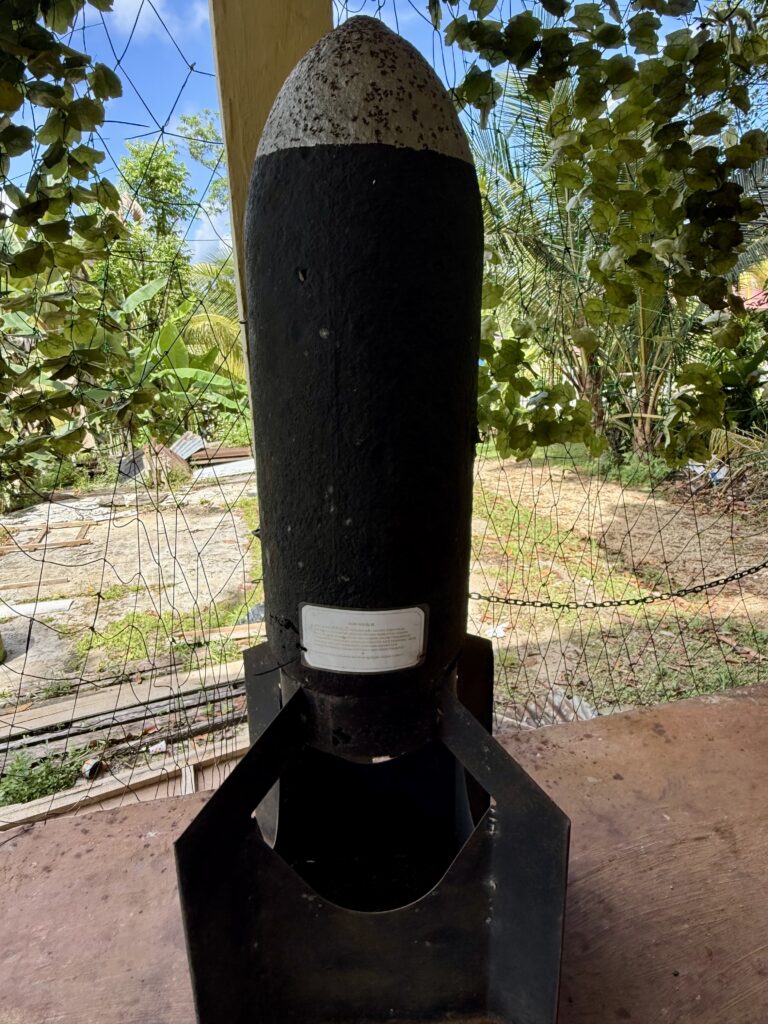
We were at the resort bus by 8am having picked up the crew from Arka and Profasea. We have a day long tour with a stop at Customs to pick up our official green book for clearance into Indonesia. Julia, Ahmed’s wife came with us, we stopped in town to pick up our picnic lunch from a real roadside restaurant, they all look the same and there are so many of them. First stop was at the WW2 Gua Jepang (Japanese Cave) on the edge of town. During the Japanese occupation in the Pacific region, Biak Island held a strategic position as one of Japan’s defensive strongholds, its location near the main shipping routes and direct access to the Pacific Ocean made Biak so important. The 3km, 5 chamber natural cave was used as a hiding place and logistics centre for the Japanese army. Towards the end of the war, 11,000 Imperial Japanese troops were hiding in the island’s jungle caves with plenty of ammunition and tanks, waiting for General McArthur’s US forces. After a US plane had been shot down by a missile fired from Biak, the Americans started bombing Biak. On July 7, 1944 during the early morning, the U.S. Army began attacking the cave, dropping drums of fuel into the cave entrances which were then ignited, creating an enormous fire which they say burnt for months, the cave ceiling collapsed on the main chamber. Approximately 3,000 Japanese soldiers were killed and buried alive in the cave. There are loads of helmets, many with bullet holes, fuel tanks with holes in them, ammunition, bottles and both Japanese and Allied military equipment lying around everywhere. The corpses of these Japanese soldiers were only successfully removed around the 1970s and 80s. The Japanese commander Col Kizume Naoyuki committed hara kiri. It was an incredibly moving place, we went to an area that had only recently been cleared, there were hand grenades, helmets, skulls and guns littering the area.
Interestingly I asked Julia how the Japanese were viewed by the locals, her reply was that 300 years of Dutch rule was a lot better than 3 years of Japanese rule! After Japan’s defeat, Indonesia declared independence, the Dutch recognised Indonesia’s independence in 1949, but kept Dutch New Guinea (West Papua) under Dutch rule preparing it for independence from Indonesia, even creating a Papuan government. But Indonesia wanted West Papua and threatened military action, you can understand why as it has the biggest gold and copper mine in the world, where Renee teaches! To avoid conflict America brokered the NY Agreement between Indonesia and the Netherlands, handing administration over to the United Nations.in 1962. A referendum was promised, which under heavy Indonesian military pressure the Papuans voted to remain with Indonesia, many Papuans and international observers view it as illegal which is why there has been a lot of trouble in the area continuing to this day. It explains the enormous military presence in Biak. At night we have military planes flying overhead for hours, we think it must be training operations.The whole way from the resort to town is army barracks, there is a huge military base in the town, with separate naval, air force and infantry areas.
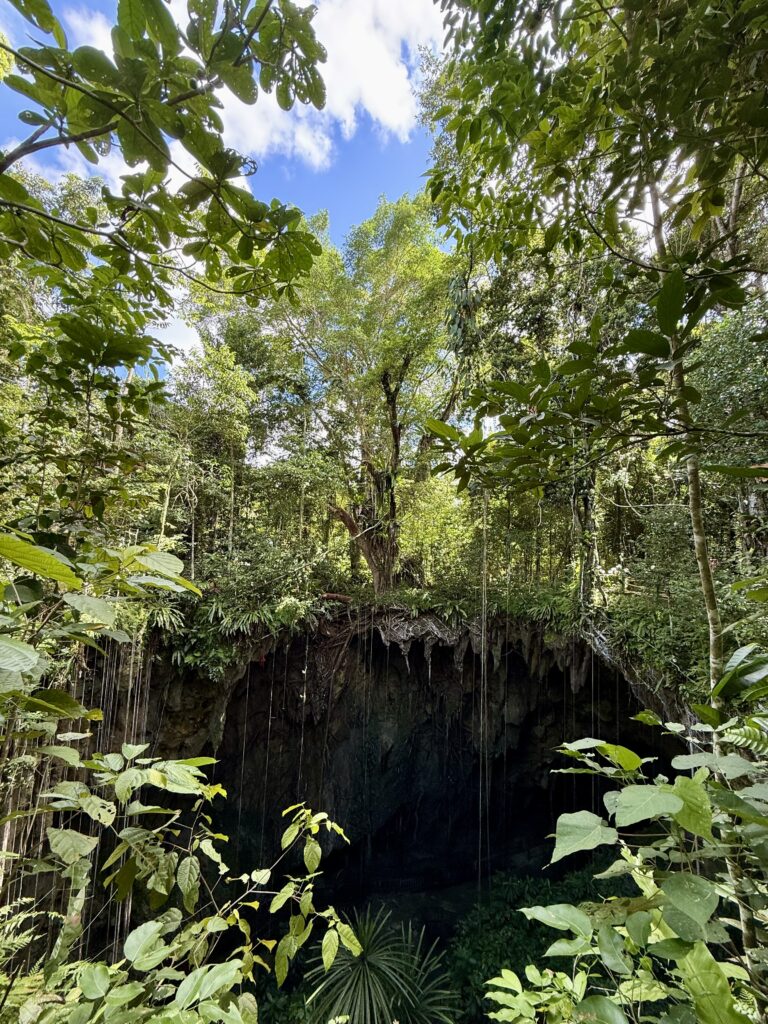
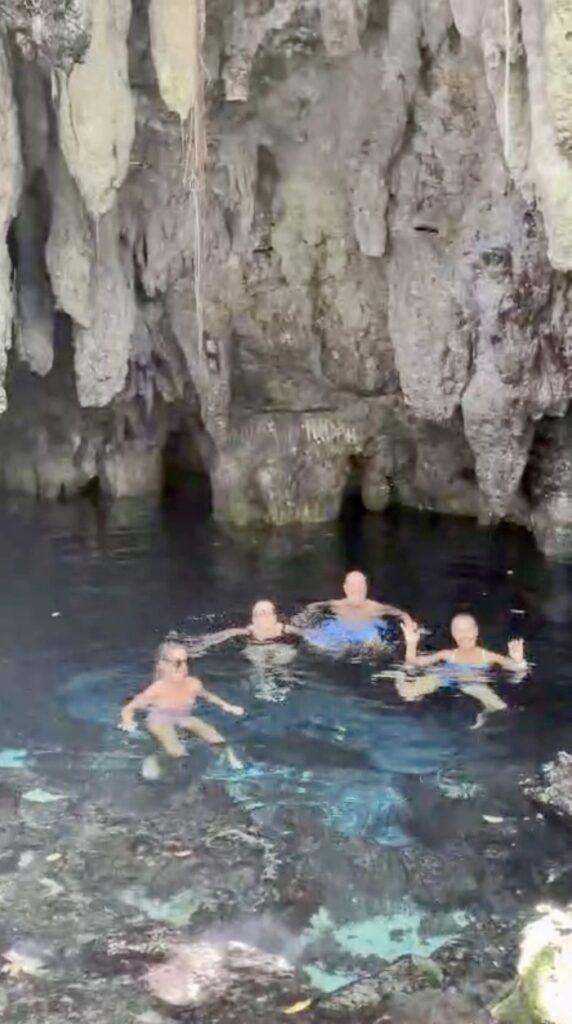
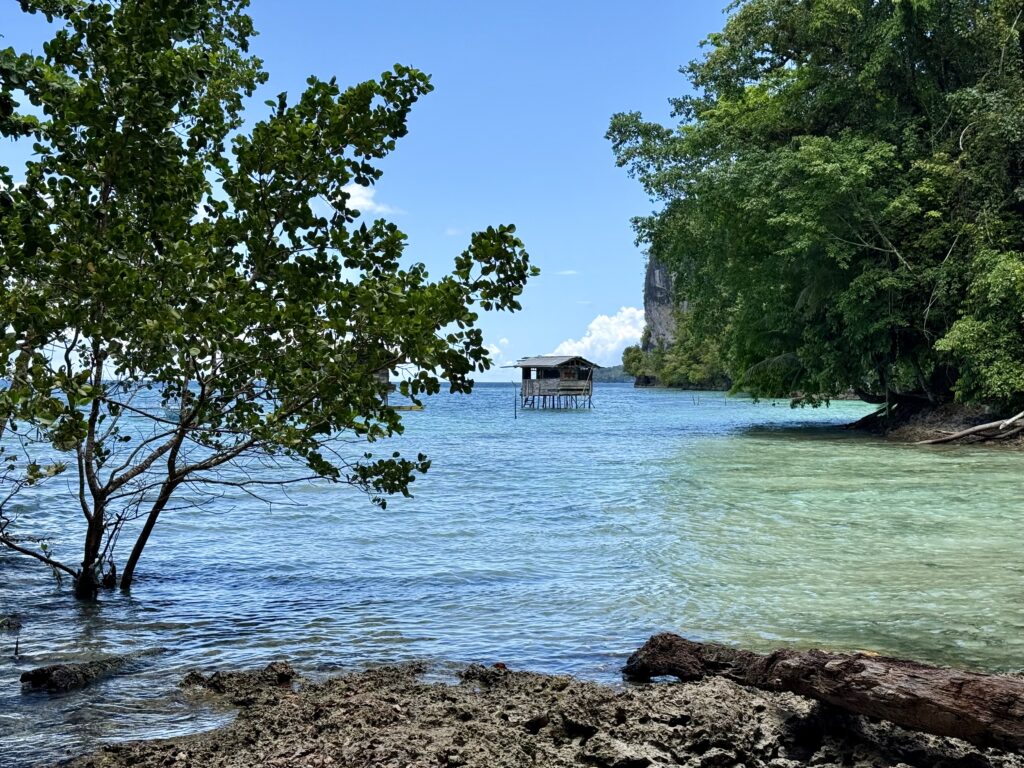
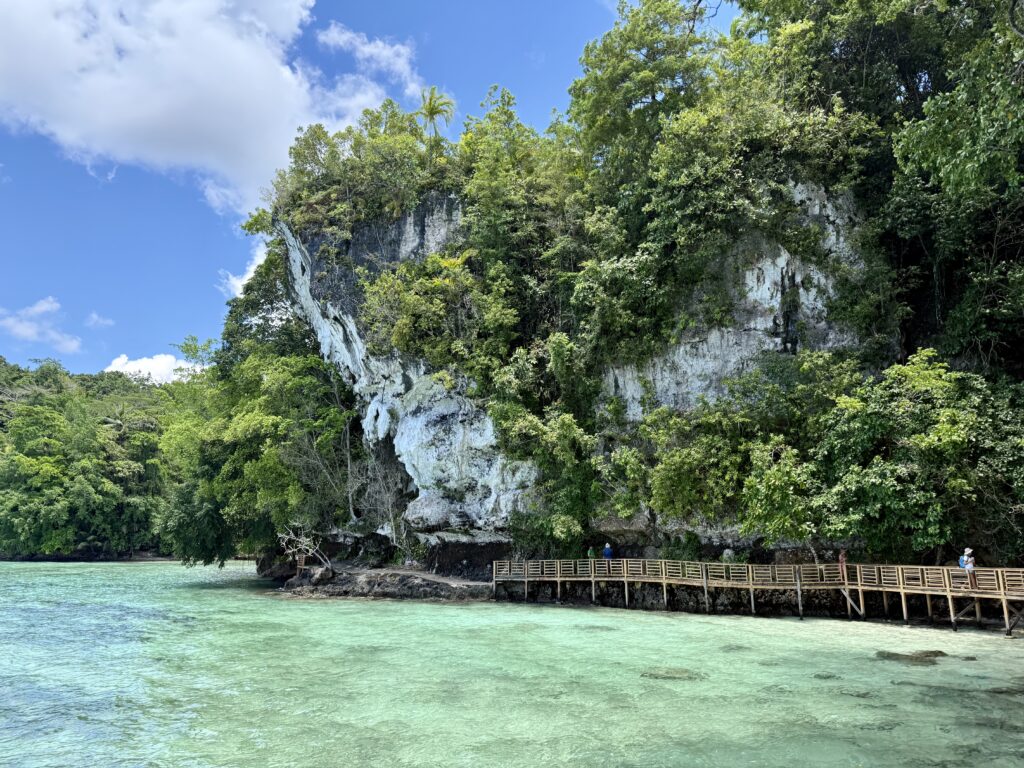
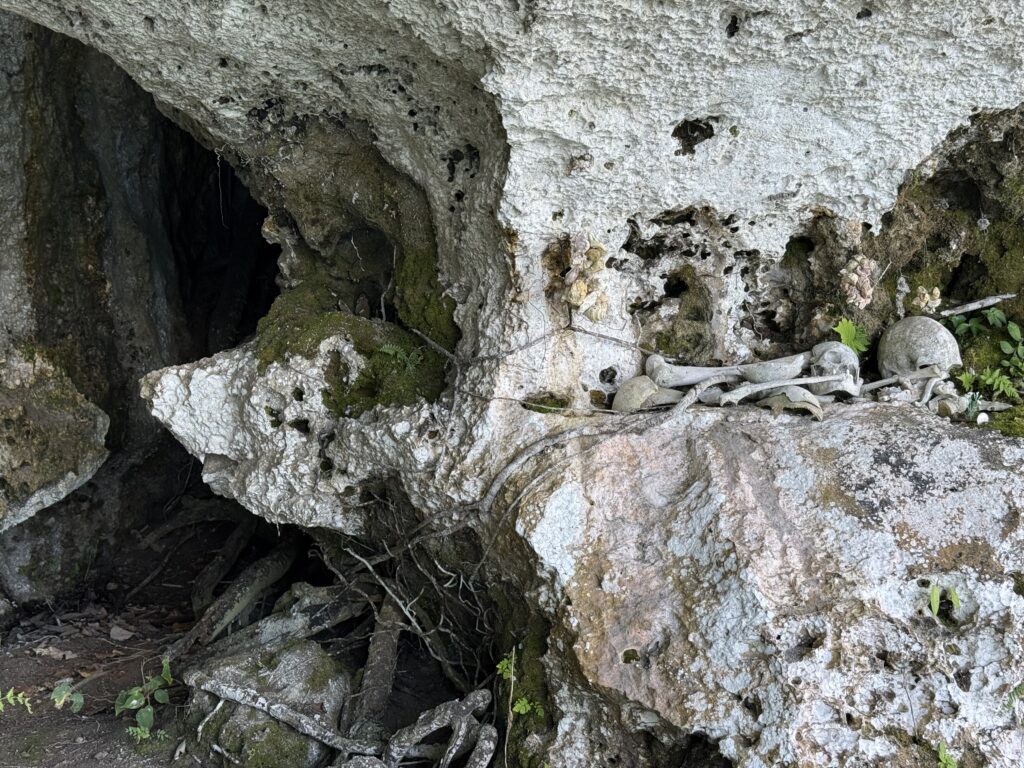
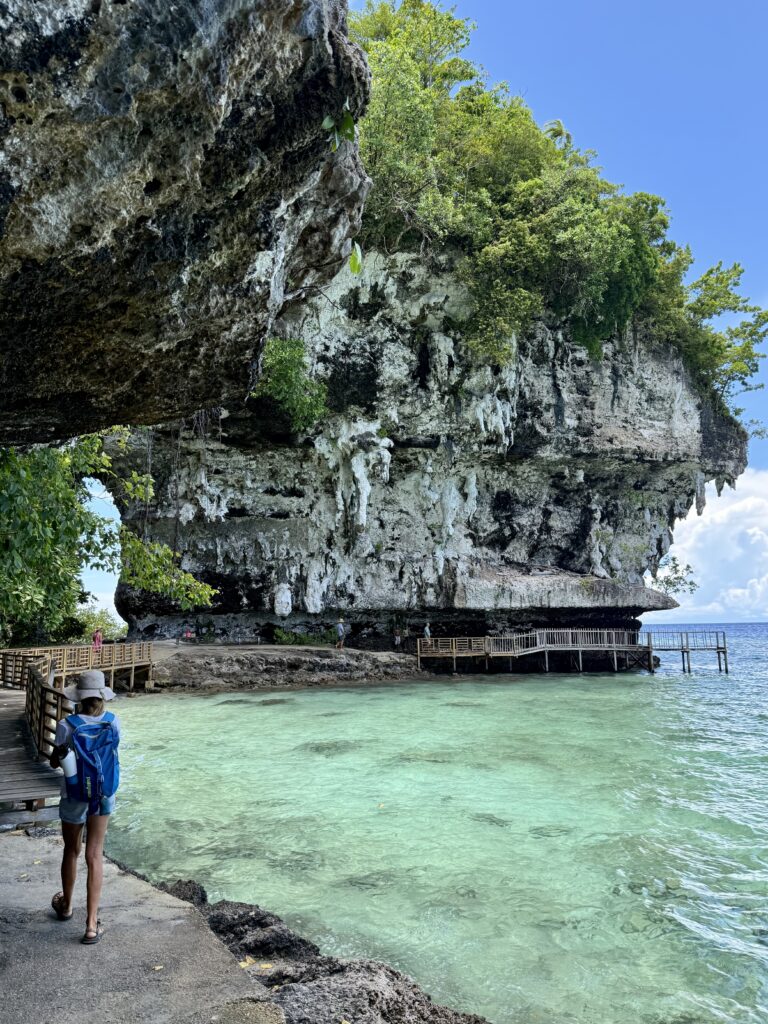
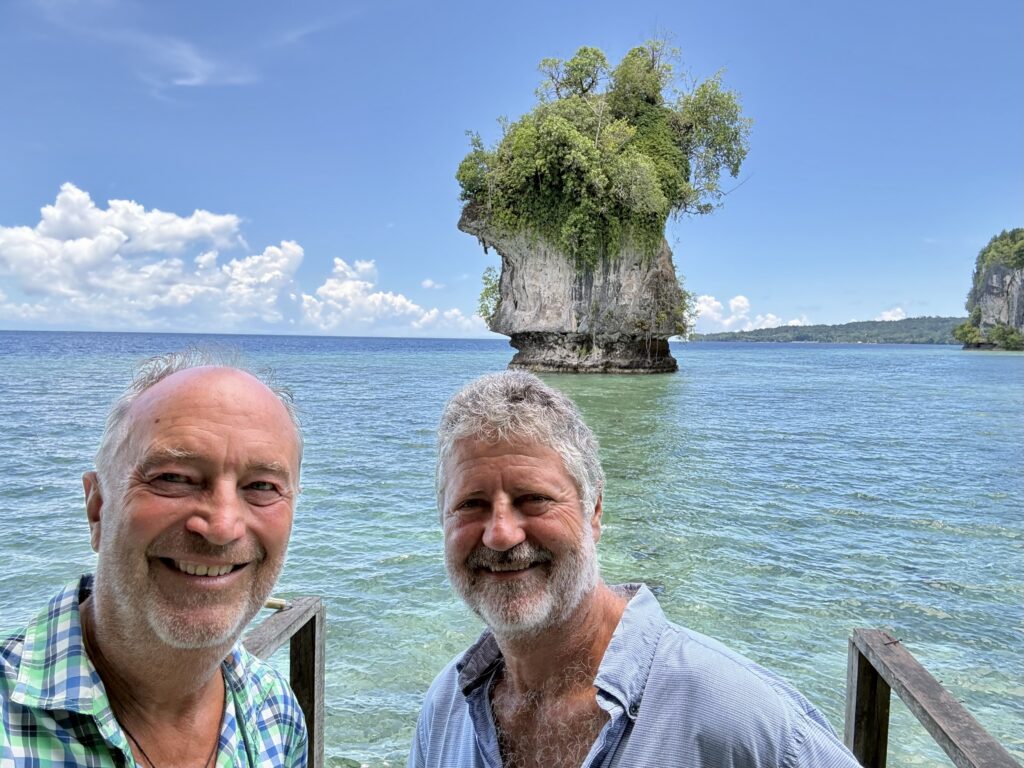
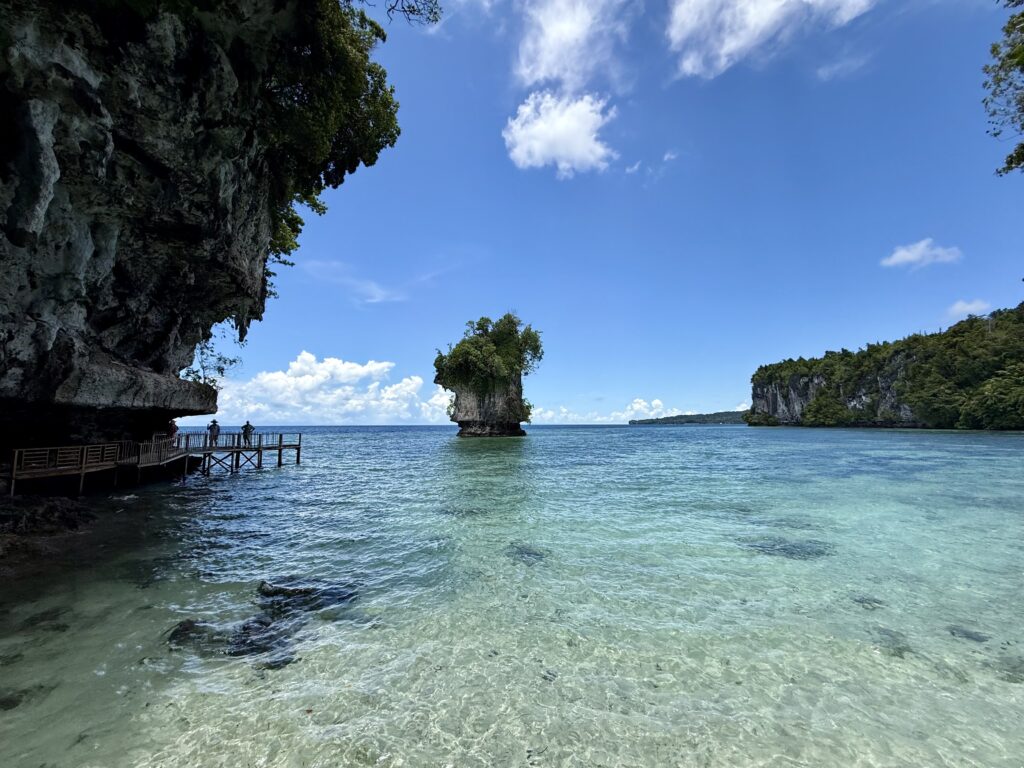
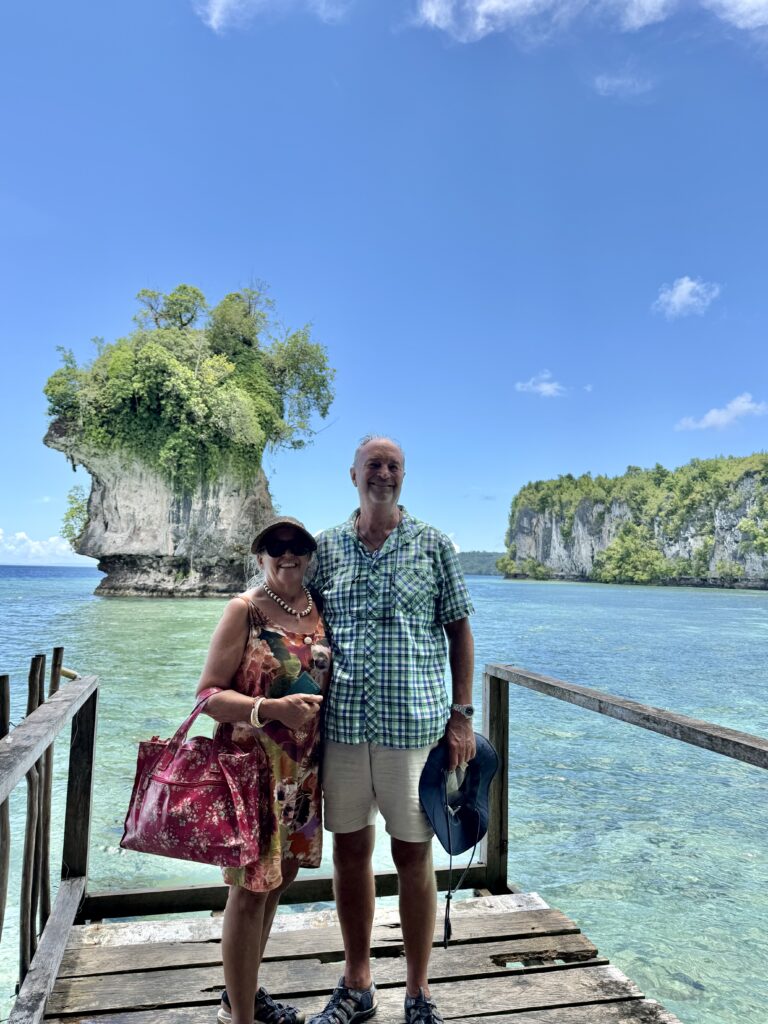
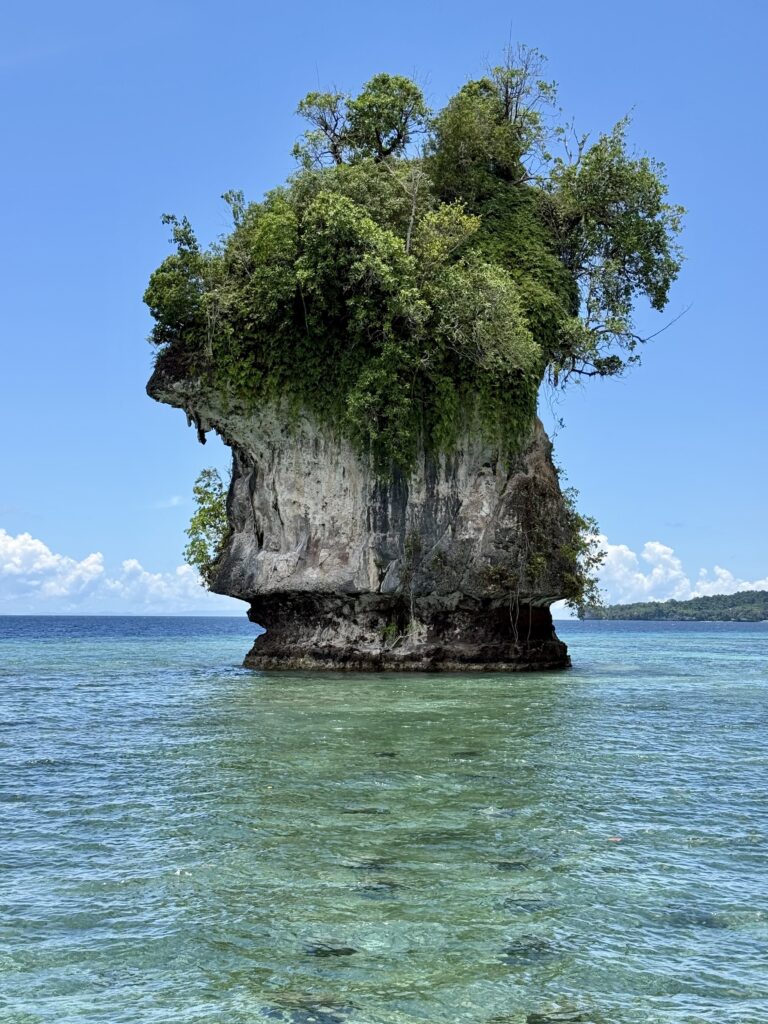
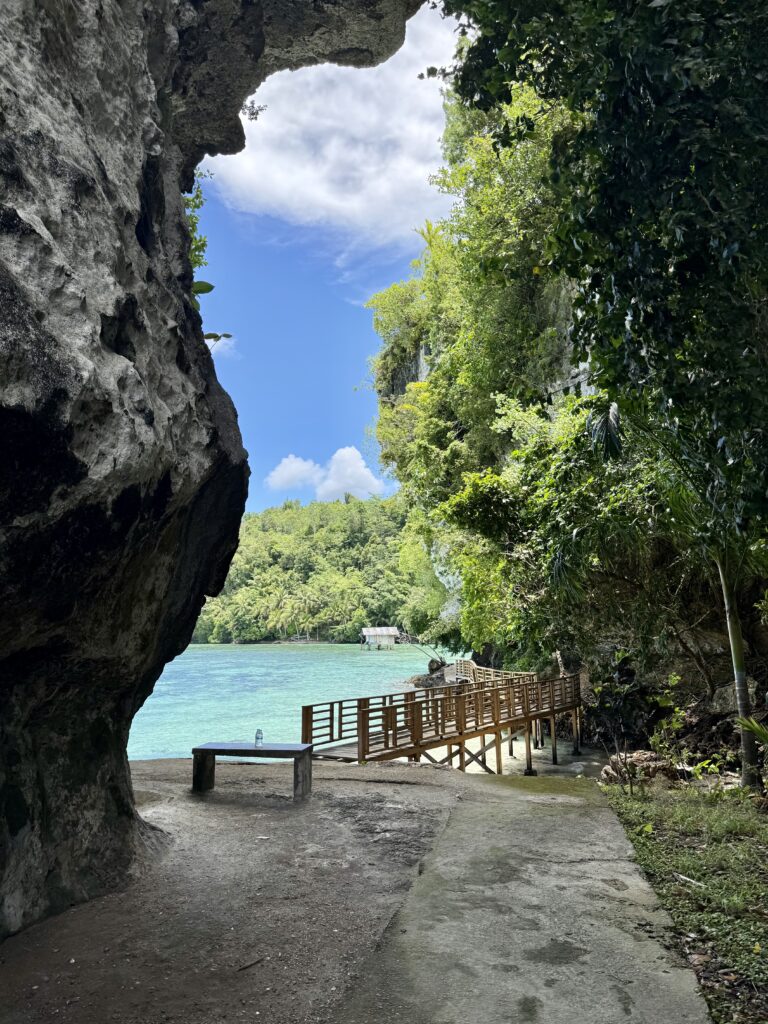
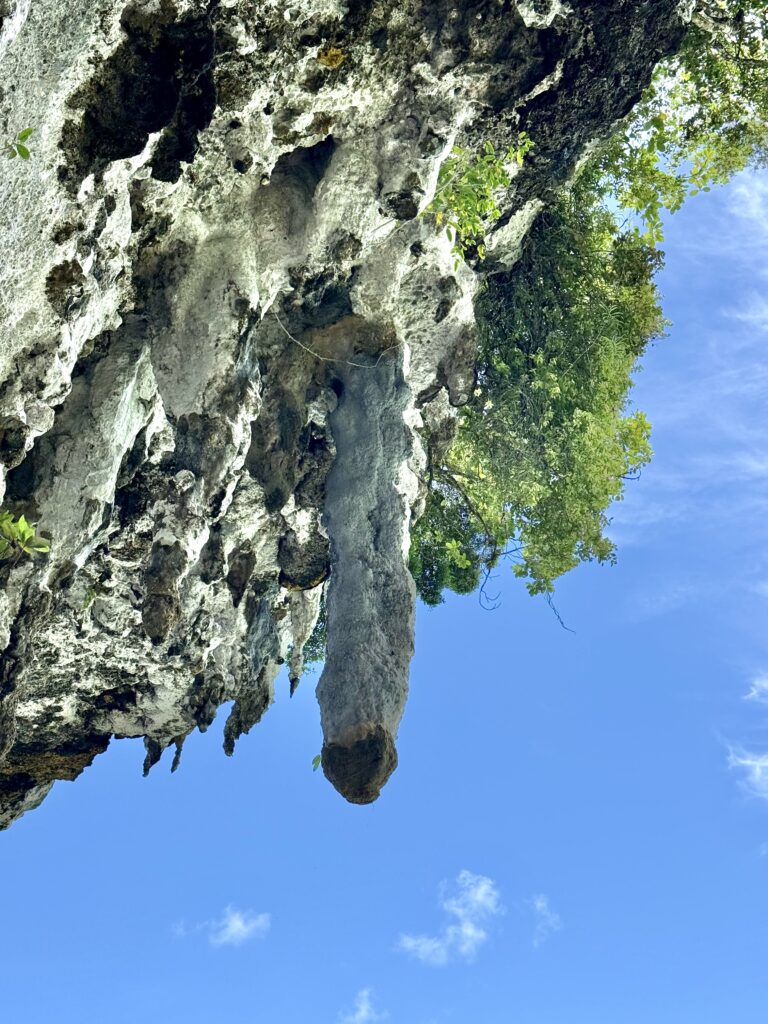
Next on our tour we went to a fresh water cave for a swim, which was great relief from the heat especially after doing all the stairs in the Japanese cave. It was blissfully refreshing, and a very good coffee break. Julia and Ahmed have a coffee farm up in the mountains and it is their own roasted beans, it is really delicious organic coffee. We then headed out the other side of town to a very scenic burial ground on the coast. There was a wooden walkway along the shoreline and if you looked up into the limestone cliff, you could see human bones in the crevasses and on the rocky shelves. It was incredibly picturesque with some stunning carved out limestone islands. We had our picnic lunch there which was a delicious spicy chicken dish, the little roadside restaurant did a great job, all washed down with a fresh coconut.
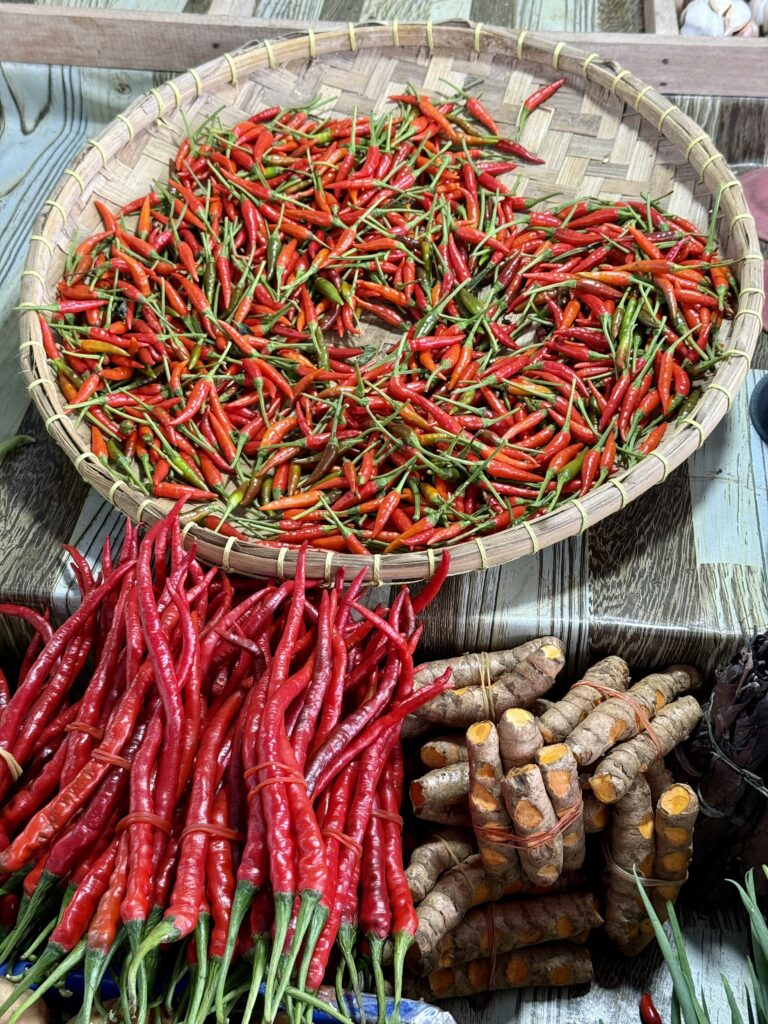
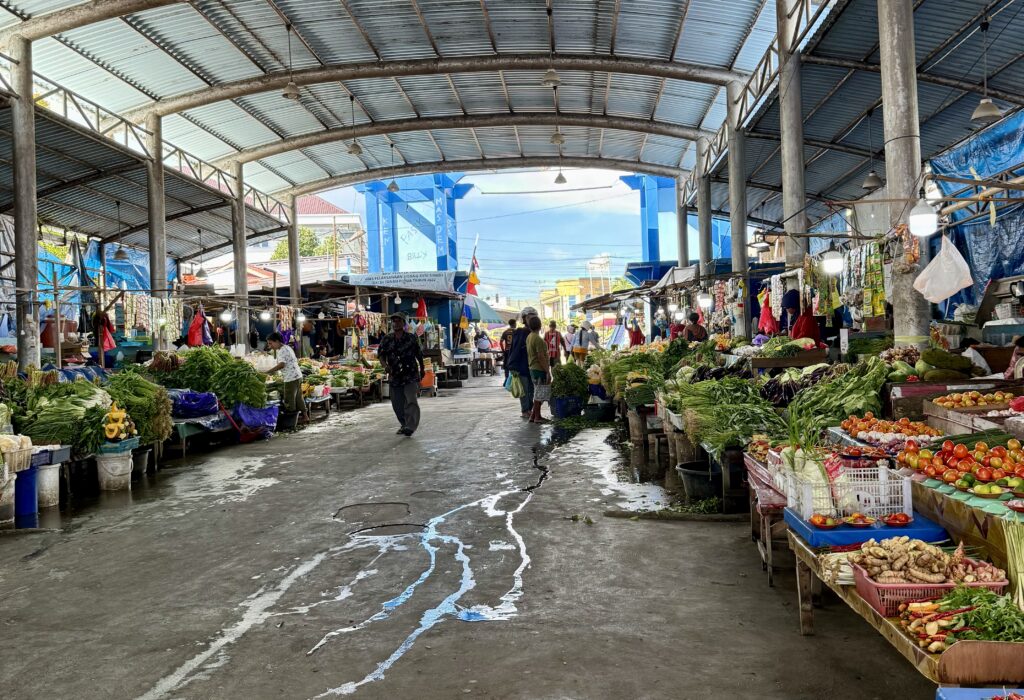
We headed back to town afterwards to go to Customs where we sat in a wonderfully air-conditioned office while 5 very friendly officials, filled forms, stamped and stapled endless bits of paper, finally producing our enormous green books. Arka are leaving tomorrow morning, as they have to be in Sorong soon, as they fly back to Australia for Gary to have some hospital appointments. This means we all had to go to the harbour master in a different building. We have to physically sign out with the harbour master no more than 24 hours before departure, so we can only do ours tomorrow as we plan to leave on Wednesday. We had a quick stop at the fresh market to stock up for our next passage which will be around 3 days depending on conditions. Julia bought lots of exciting looking ingredients for our cookery demonstration tonight .
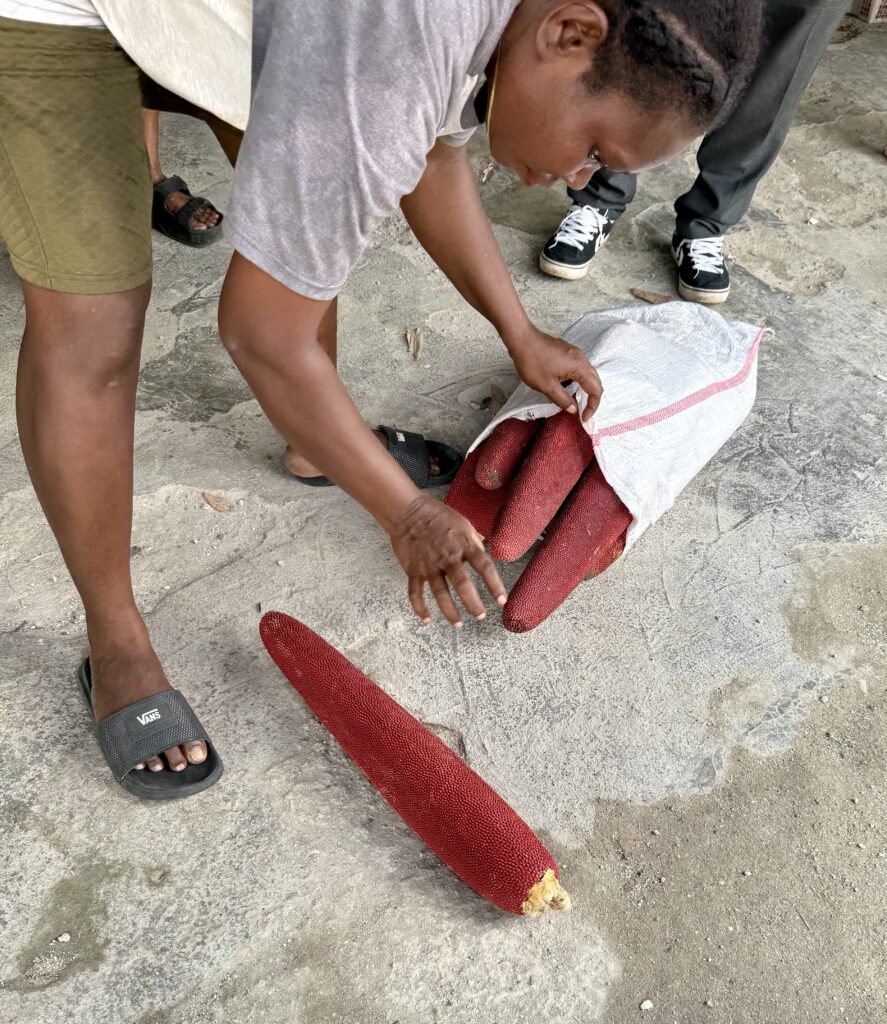
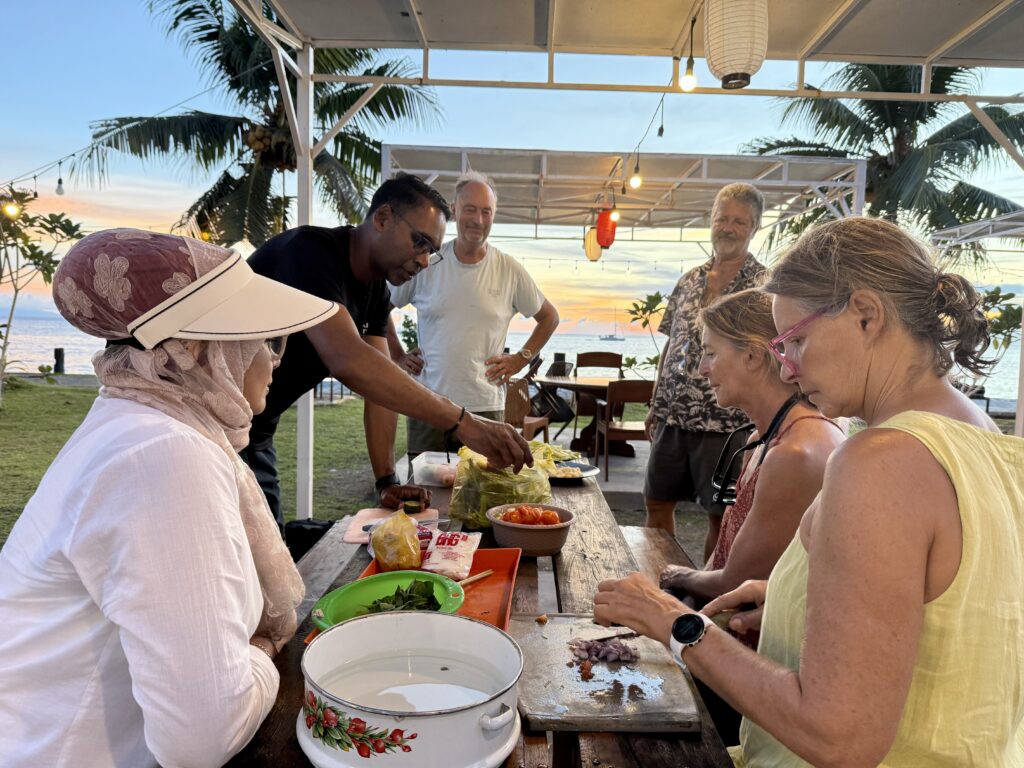
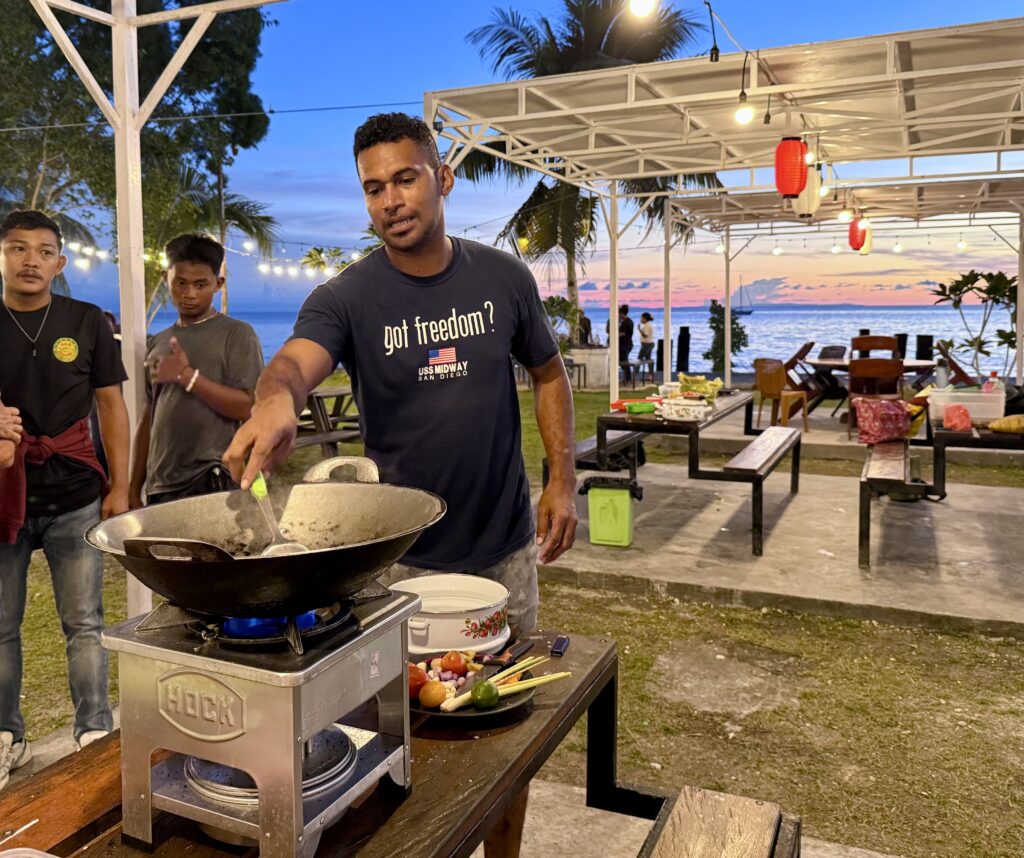
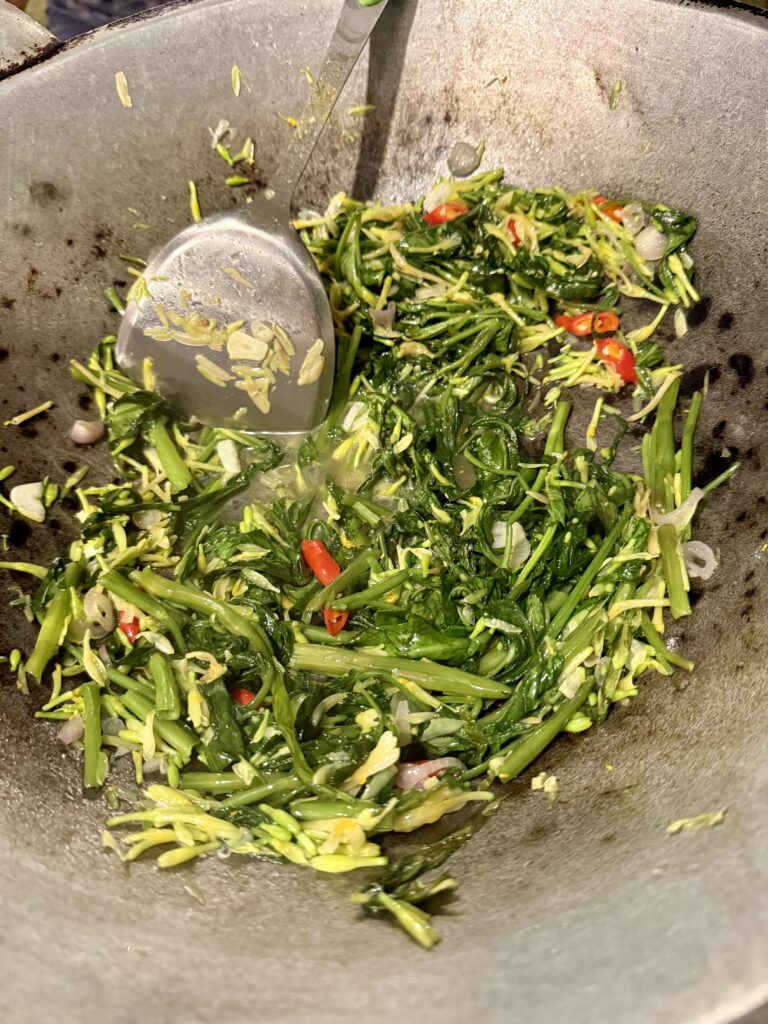
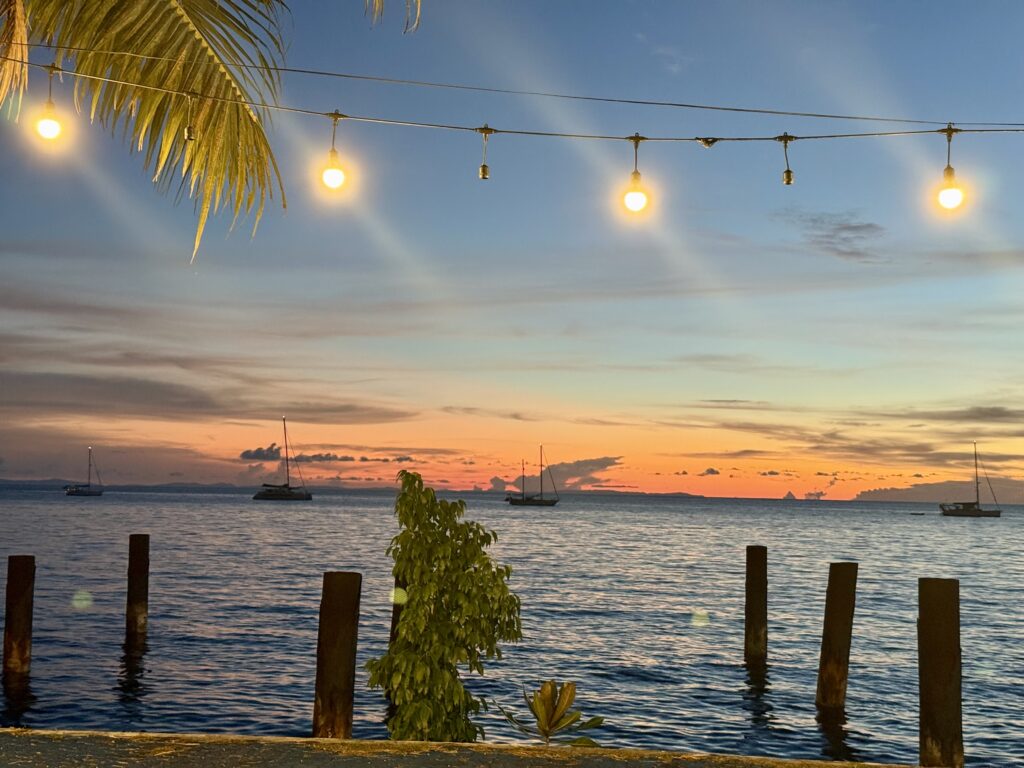
It was a quick trip back to the boat, all our diesel was delivered in jerry cans, we took about 250 litres. We hope it is clean, luckily Rowan has got good filters on the tanks, plus we are so grateful for the huge filter funnel Grant and Judith brought out for us, we have managed to mislay our previous two. They were always being borrowed while we were on the Arc Rally. All sorted and after a refreshing shower we were back at the resort at 5pm for our cookery demonstration. It started with a red snapper soup, which was very tasty. The very chewy twisted clam like things I found a little hard to eat but the vegetable dish was great. We all prepared chopped and cleaned the ingredients which was great fun. Time seemed to run out as we never cooked/ate the banana flower or the enormous pandanus seed head. They attempted to cook sago, but it proved too difficult on their little burner, the water has to be exactly the right temperature. I was not disappointed as I find those white starchy/gluey dishes hard to eat. It’s basically all about the delicious sauces you put on top. Renee and Don joined us too, they are obviously very accomplished cooks themselves, they also leave tomorrow. It was a fun evening, and always grateful when we are safely back on PolePole by 8:30pm!
Discover more from sailingpolepole.com
Subscribe to get the latest posts sent to your email.